

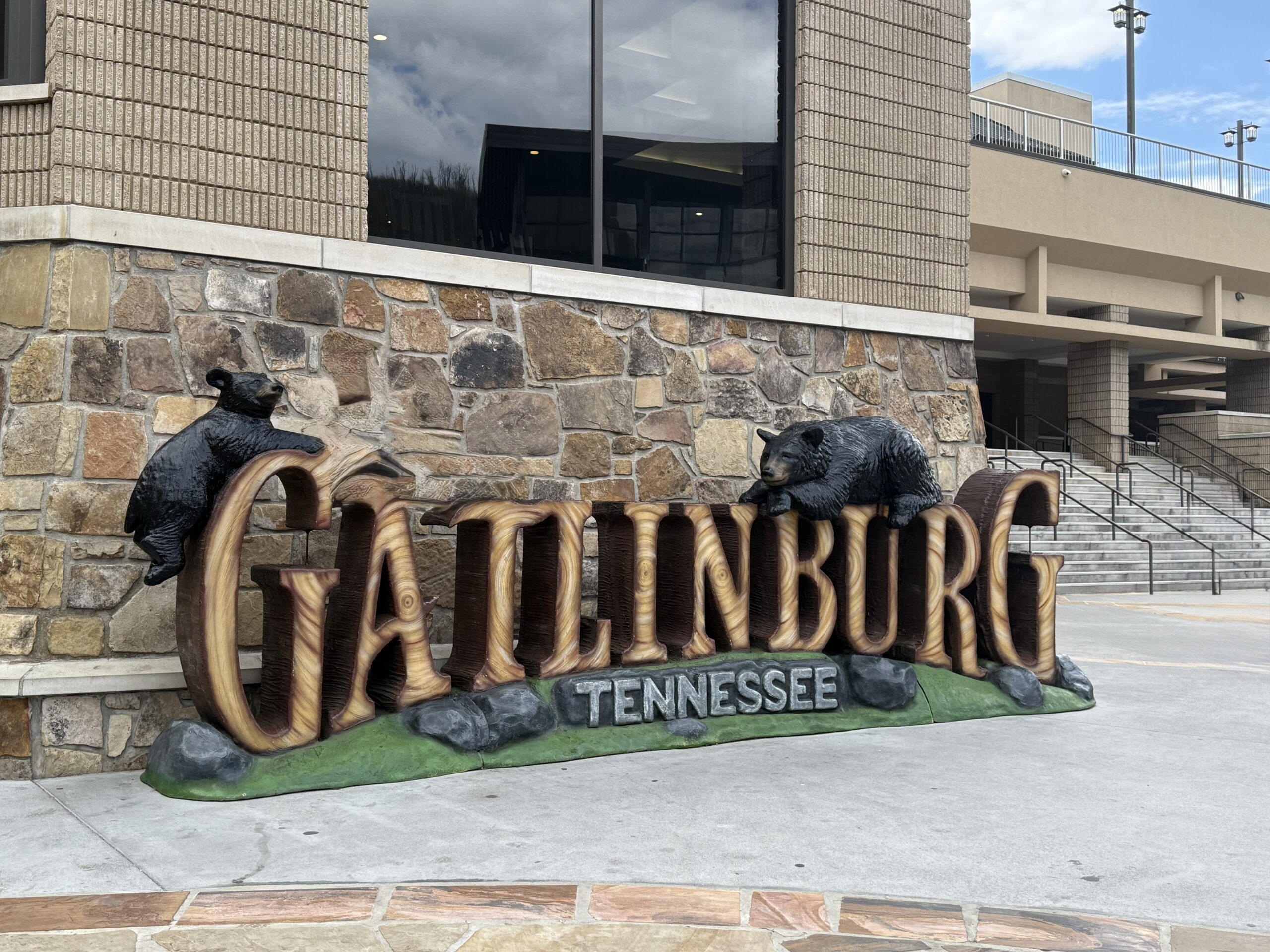
Every Smoky Mountains trip planning conversation eventually arrives at the same question: Pigeon Forge or Gatlinburg? Most guides answer it with a comparison chart and a recommendation that ignores what your group actually needs. This one tries to do something more useful: give you an honest picture of both towns, including the parts that most travel content leaves out, so you can make the call yourself.
The short version is that you will almost certainly end up spending time in both towns regardless of where you stay. They are about ten miles apart on the same road. The real question is which one to use as your base and how close you want to be to each.
Gatlinburg feels like a mountain town that happens to have tourism. Pigeon Forge feels like a tourism town that happens to sit near the mountains.
That framing is not a criticism of either. It is the most accurate single-sentence description of what the two places feel like when you are standing in them. Gatlinburg has a resident population of around 4,000 people. It sits in a narrow mountain valley at the edge of Great Smoky Mountains National Park with the park entrance literally at the end of the main street. The buildings are older, the Parkway is narrower, and the pace is slower even when it is crowded.
Pigeon Forge has a resident population of around 6,000 but handles millions of visitors a year across a broader, flatter Parkway corridor that stretches for miles. It is built to move people through attractions at volume. The LeConte Center hosts major events. Dollywood anchors the southern end of town. The Island, Tanger Outlets, and dozens of entertainment venues line the Parkway between them. It is a different kind of place and it serves a different kind of trip.
Gatlinburg’s downtown is one of the few genuinely walkable tourist destinations in the region. You can park once and spend a full day on foot, moving between restaurants, distilleries, candy shops, galleries, and attractions without moving the car. The numbered traffic lights are a landmark system locals and regulars use to orient themselves. Light one through ten covers the core of downtown and everything worth walking to falls within that stretch.
The entrance to Great Smoky Mountains National Park is at the south end of downtown Gatlinburg. Five minutes from the Parkway you are in the park. Newfound Gap Road, the Alum Cave trailhead, and the Roaring Fork Motor Nature Trail are all accessible from Gatlinburg faster than from anywhere else in the region. For anyone whose primary reason for visiting is the national park, Gatlinburg is the logical base.
Gatlinburg’s restaurant scene skews more local and more distinctive than Pigeon Forge. The Peddler Steakhouse, where you hand-pick your cut from a cart wheeled to your table, has been a date-night institution for decades. Pancake Pantry has had a line since 1960 and earns it. The moonshine distilleries, Ole Smoky and Sugarlands, both offer free tastings with live music in a setting that feels like part of the town rather than a stopover attraction. The Local Goat just down the road in Pigeon Forge earns its reputation as one of the better scratch-kitchen restaurants in the corridor. Our full review is on the blog if you want the detail before you go.
Gatlinburg’s evening atmosphere is one of its most underappreciated qualities. The Winter Magic lights run from November through February. The Tunes and Tales street performer program fills Friday and Saturday evenings in summer with live bluegrass musicians and characters on the Parkway at no cost. The moonshine bars stay lively without the volume level of a nightlife district. It is a town that rewards slow evening walks in a way Pigeon Forge does not.
Downtown Gatlinburg charges for parking and the lots fill quickly on peak days. The garages run around $10 to $20 per day depending on season. The smarter move is the free park-and-ride at the Gatlinburg Welcome Center on the Spur before you enter town, then the free trolley in. We covered the full parking and trolley situation in detail in our parking and traffic guide here and it is the most useful pre-trip read for anyone planning a Gatlinburg day.
Gatlinburg was not designed for the volume of cars it sees on a peak October Saturday. The main Parkway through downtown is two lanes in each direction with pedestrian crossings every block. Traffic moves slowly when it is busy, which is most of the time during summer and fall. If you are driving in rather than taking the trolley, plan for it and build time into the itinerary accordingly.
Gatlinburg’s walkable downtown is a feature and a liability simultaneously. During peak season the sidewalks along the Parkway are crowded enough that moving at any pace requires patience. Groups that spread across the full width of the sidewalk, stop suddenly in the middle of foot traffic, or congregate at crosswalks without moving are a consistent irritant for repeat visitors and locals alike. The town works best when you are not in a hurry.
Gatlinburg has genuine character and it also has the full inventory of airbrushed t-shirt shops, novelty attractions, and tourist-facing schlock that comes with any heavily visited destination. The town rewards people who look past the first layer of the Parkway. The Village Shops, the alleyways and courtyards off the main strip, and the arts and crafts loop east of downtown are where Gatlinburg’s more interesting retail and dining experiences tend to live.
No other destination in the Smoky Mountains region matches Pigeon Forge for sheer volume of things to do. Dollywood, dinner shows, mountain coasters, WonderWorks, Slick City, the Titanic Museum, Ripley’s Venture Realm, The Island, escape rooms, mini golf, live music venues, and dozens more attractions line the Parkway in both directions. For families with kids who need to stay engaged across a multi-day trip, Pigeon Forge handles it without requiring a plan.
Most Pigeon Forge attractions include free parking in their own lots. The Municipal Lot between The Island and the LeConte Center holds 1,500 vehicles and is completely free. Patriot Park offers another free option with a direct connection to the Fun Time Trolley. For groups arriving by car, the parking situation in Pigeon Forge is significantly less stressful than Gatlinburg.
Dollywood is the reason a significant percentage of people visit the Smoky Mountains in the first place and it is worth naming separately from the general entertainment category. The park is genuinely world-class in its category, consistently rated among the best theme parks in the country, and its seasonal festivals including the Harvest Festival and Smoky Mountain Christmas run for months at a time. If Dollywood is on the itinerary, Pigeon Forge proximity matters.
The dinner show concentration in Pigeon Forge is unmatched anywhere in the region. Hatfield and McCoy Dinner Feud, Dolly Parton’s Stampede, Pirates Voyage, Country Tonite, and several others all operate within a short stretch of the Parkway. For groups that want a fully organized evening with food and entertainment in one, Pigeon Forge makes it easy. We reviewed Hatfield and McCoy specifically on the blog if you want the honest take before booking.
The Pigeon Forge Parkway is one road through a resort corridor that handles millions of visitors per year. During car show weekends, peak summer Saturdays, and fall foliage October, traffic on the Parkway can become a sustained slow-moving situation that adds significant time to any plans involving driving. The Fun Time Trolley at $3 all day is the local answer to this problem and the best $3 most visitors ever spend in Pigeon Forge. During major car show weekends like the Rod Runs and the Jeep Invasion, expect the Parkway to move at event parade speed regardless of what time you leave the cabin.
Pigeon Forge is unapologetically commercial and visitors who arrive expecting something more organic or scenic sometimes find the Parkway corridor overwhelming. The constant density of signage, attractions, restaurants, and entertainment venues lining both sides of the road for miles is genuinely a lot to process. It is not for everyone and it is better to know that going in than to arrive expecting Gatlinburg and find the opposite.
Pigeon Forge is approximately 16 minutes from the Gatlinburg entrance to Great Smoky Mountains National Park and that distance runs through Gatlinburg traffic for part of it. Visitors whose primary goal is national park access will cover that ground repeatedly during a stay. It is manageable but it is not the same as being five minutes from the park entrance the way Gatlinburg is.
This is the section most travel guides skip entirely because it requires knowing something beyond what the tourism boards publish.
Locals generally avoid the main Parkway corridors during peak hours and know the backroads well enough to route around the tourist traffic. Wears Valley Road between Pigeon Forge and Townsend is one of the most scenic drives in the region and a legitimate bypass that most visitors never find. The Spur, the wooded stretch of Highway 441 connecting Pigeon Forge and Gatlinburg, is the scenic route locals use when traffic on the main corridor is bad enough to justify the detour.
For dining, locals tend to gravitate toward spots that are slightly off the main strip or in Sevierville where the prices are lower and the crowds are thinner. The Old Mill area in Gatlinburg and the restaurant corridor around the Sevierville downtown square both have strong local followings that do not depend on tourist traffic to survive.
Townsend is where locals go when they want the mountains without the Parkway. The quiet side of the Smokies has genuine restaurants, a brewery, and national park access through the western entrance without a single souvenir shop in sight. Peaceful Side Social in Townsend specifically has become a legitimate local gathering spot that rewards the drive from either town. We made it there during our Easter trip and the difference in pace from the Pigeon Forge Parkway is complete and immediate.
The local advice that comes up consistently: learn the backroads. The roads off the main Parkway corridors in both towns pass through terrain and communities that most visitors never see because they are not on any attraction map. Some of the most memorable driving in the region happens on roads that are not in any guidebook.
Rather than a single recommendation, here is the honest breakdown by trip type:
Couples and romantic getaways: Gatlinburg. The walkable downtown, the distillery evenings, the national park at sunrise, and the mountain atmosphere give a couples trip the texture it needs. Pigeon Forge works for couples who want Dollywood and dinner shows but the overall vibe skews more family-entertainment-corridor than intimate mountain escape.
Families with kids: Pigeon Forge, or split your time with a Pigeon Forge anchor. Dollywood, the entertainment volume, the free parking, and the sheer number of things to do across a multi-day stay make Pigeon Forge the more practical family base. Gatlinburg day trips cover the national park and the aquarium without requiring you to untangle Gatlinburg parking every morning.
Large groups and reunions: Both, from a cabin between the two. The multi-family reunion model works best when you have access to both towns without being committed to either Parkway. Our family reunion guide covers this in detail but the short version is that a cabin between the towns gives different people in the group different days without anyone having to compromise on the entire trip.
Hikers and outdoor travelers: Gatlinburg. The national park access is the deciding factor and there is no workaround that makes Pigeon Forge as convenient for trail-based trips.
Car show and event attendees: Pigeon Forge. The LeConte Center hosts most of the major automotive events and the Parkway is where the cruise action happens. Check the event calendar before your trip since major car shows change the traffic and parking picture significantly for anyone staying in the area that weekend.
The Pigeon Forge vs Gatlinburg conversation is ultimately a secondary question to where you are staying and how far you are from both. A cabin between the two towns is a different base than a hotel in the middle of either Parkway and the difference shows up every day of the trip.
Views From The Mountain Top sits approximately four minutes from the Pigeon Forge strip, which puts Dollywood, the dinner shows, and the full Pigeon Forge activity corridor within a very short drive while keeping the cabin itself at an elevation that feels nothing like the Parkway below. Gatlinburg is 19 minutes away, close enough for a full evening out without the drive feeling like a commitment.
Flashy Splashy Lodge sits higher on the mountain between the two towns, more centrally positioned in terms of drive time to each and more secluded in terms of the immediate environment. The cabin is on the mountain rather than adjacent to the activity corridor, which means the transition from cabin to Parkway is more intentional. When you leave, you are choosing to go somewhere. When you come back, you are leaving it behind. For groups that want the mountain experience to feel like a distinct place rather than an extension of the tourist strip, that distinction matters.
Either way, you are not choosing between Pigeon Forge and Gatlinburg. You are choosing a base that gives you access to both on your terms. Check availability for our cabins at smokyridgegetaways.com/cabins and see which property fits the trip you are planning.